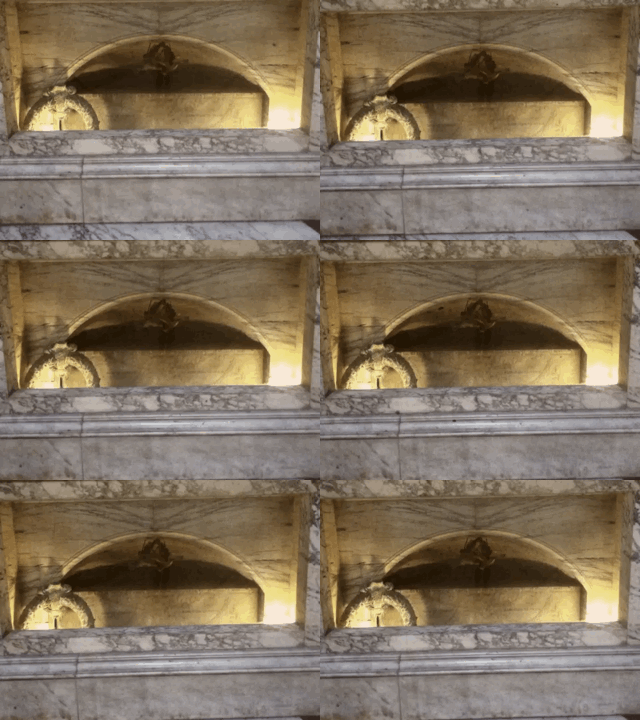
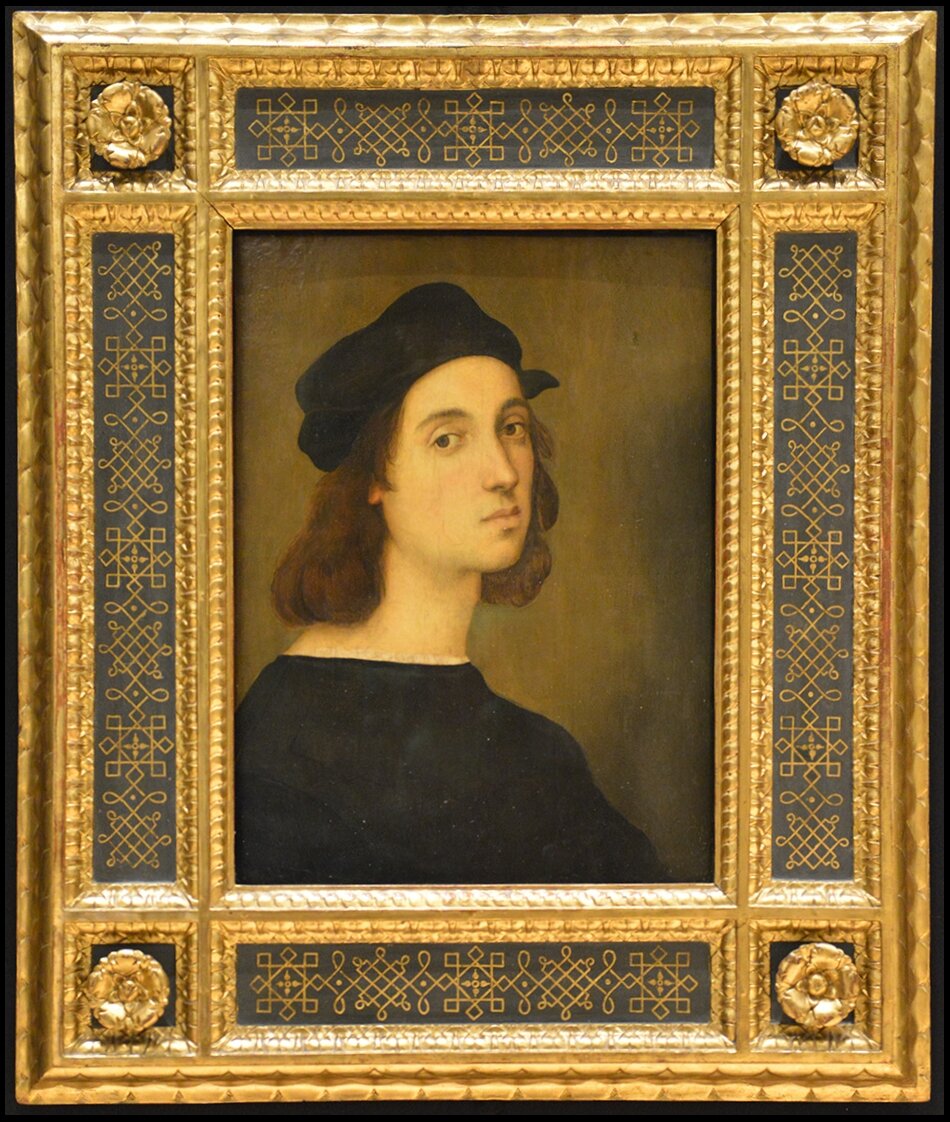
RaphaelHasan
April 6, 2014 - Raphael's Birthday and A Day for Hasan
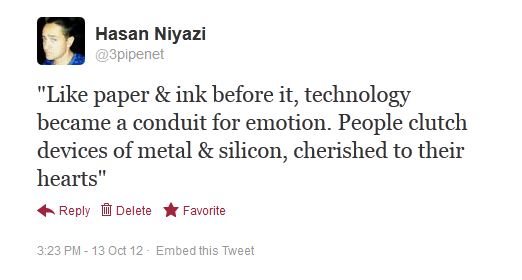
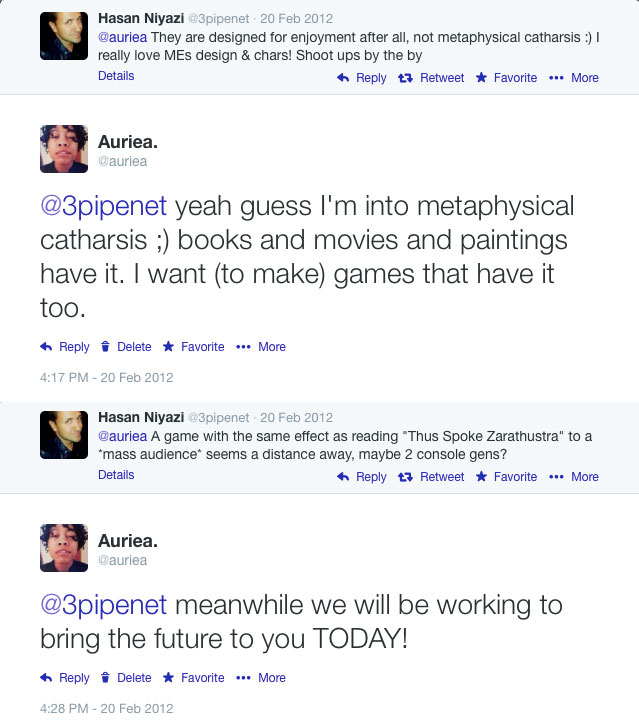
Hasan Niyazi is a friend I only knew a few years before he died, far too young, at the age of 37. Younger than me. I didn't know how old he was. I never even asked. The Internet is to me a place where people with like minds meet. On the Internet one can encounter another person as something more than human, or even something less, but definitely as beings outside of corporeal restraints and open to each other regardless of "who we are" in our day to day lives.
When I met Hasan it was through his wonderful blog on Renaissance Art http://www.3pipe.net. And on twitter.
Origins
 We met and bonded on social media in 2011. Subsequently over many emails, in conversations about art, in documents passed from one to the other through the ether.
He was a Turkish man living in Melbourne with his Austrailian partner. Away from his family and Islamic culture. He seemed landlocked but with wistful feelings to break free. I am a Black American woman living in Belgium with my husband and his two children, frequent traveller in Europe. Raised some sort of atheist but still with very strong Protestant roots.
One could point out the oddity of our fascination with European Catholic Art. We had to laugh. We both felt a pull toward these masterpieces. As if looking for parts of our missing selves within it.
He was not an an Art Historian with a PhD. He was an Art Historian, and a damn fine one, because that is what he made himself into. The calling chose him and he chose to follow. I didn't ask him too much about his day job. I saw him exactly as he wanted to be seen. As a man on a journey.
I think we met at a moment when we needed to.
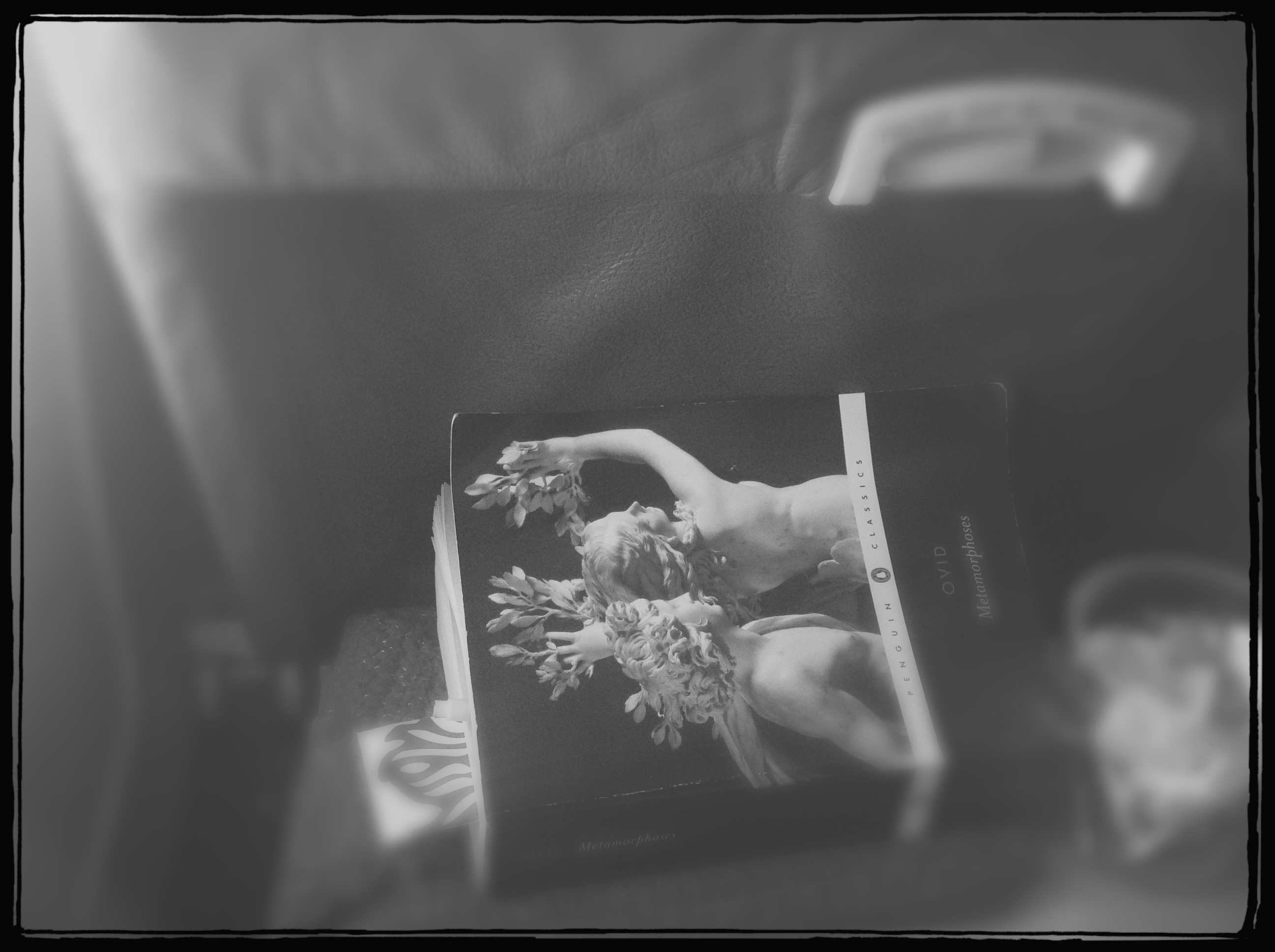
About a year before I met Hasan, after launching our videogame, The Path I fell into patterns of behavior that could only be described as burn-out and could barely work. For a long time I could do barely nothing computer related without angst. I turned to my love of drawing looking for healing. Drawing and learning about Classical Antiquity. That worked. I realised that drawing was an action weving its way through my entire life from very early childhood, through art school and on into the work I do in videogames today.
I remembered. Not only my love of the activity of drawing but the intellectual aspect of drawing. And the history of drawing. So much of 20th and 21st century Art realpolitik asks one to think of Renaissance and Baroque Art as irrelevant to today. But there I was. The art of the Classical world was speaking to me. The art of Raphael and Rembrandt and Reubens was speaking to me. Learning from these masters was healing for my soul. So I studied more, read more. In a sense gave myself the classical education I was never allowed to have in New York City in the 1990s.
Conversations
I saw a bit of myself in him. Through his writing I quickly came to see him as someone who, like me, was trying to find balance in life. We were both trying to put all of the pieces of what we found important together in our personal and professional lives.
Maybe, he saw a bit of himself in me.
He told me outright what i should have known long ago, that Art lives inside of us. He strived to bring that beauty into his life, to live it everyday.
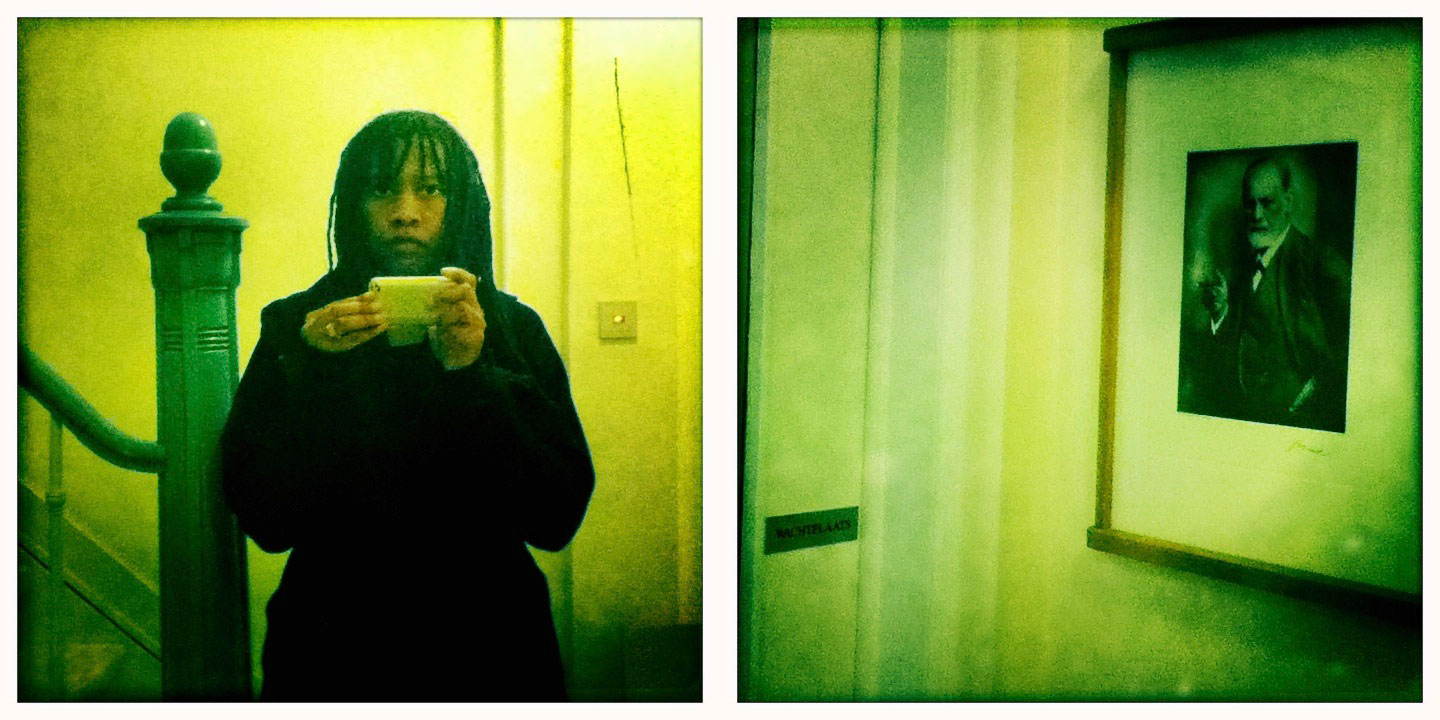
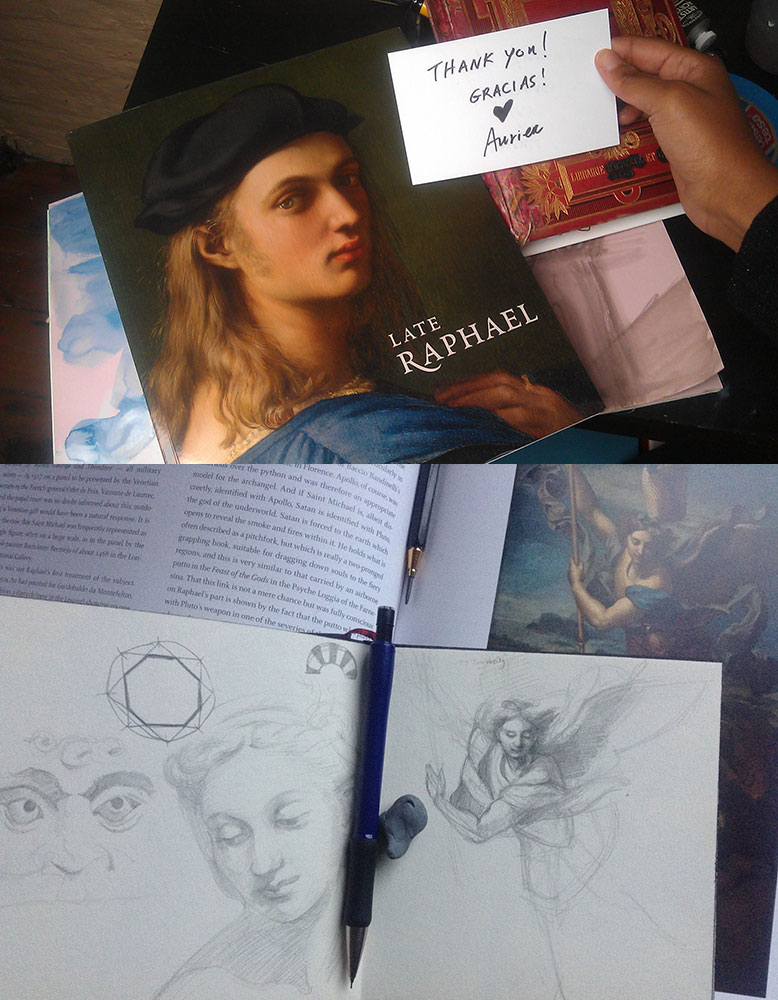
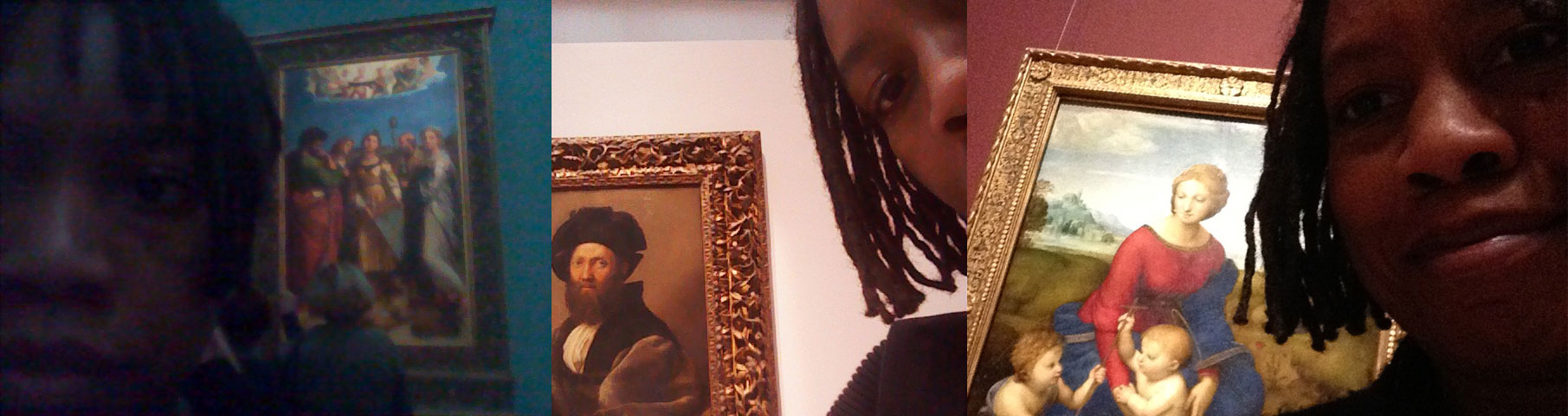
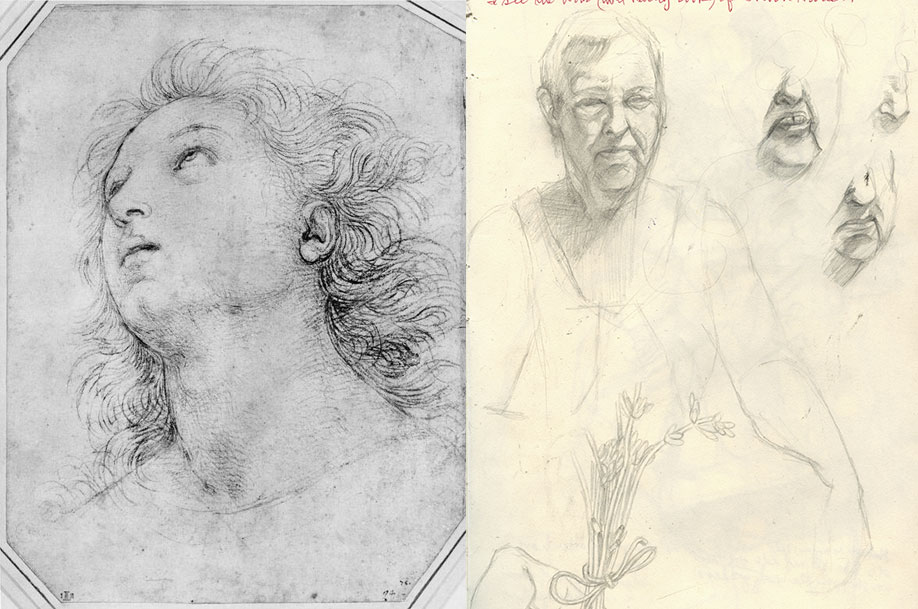
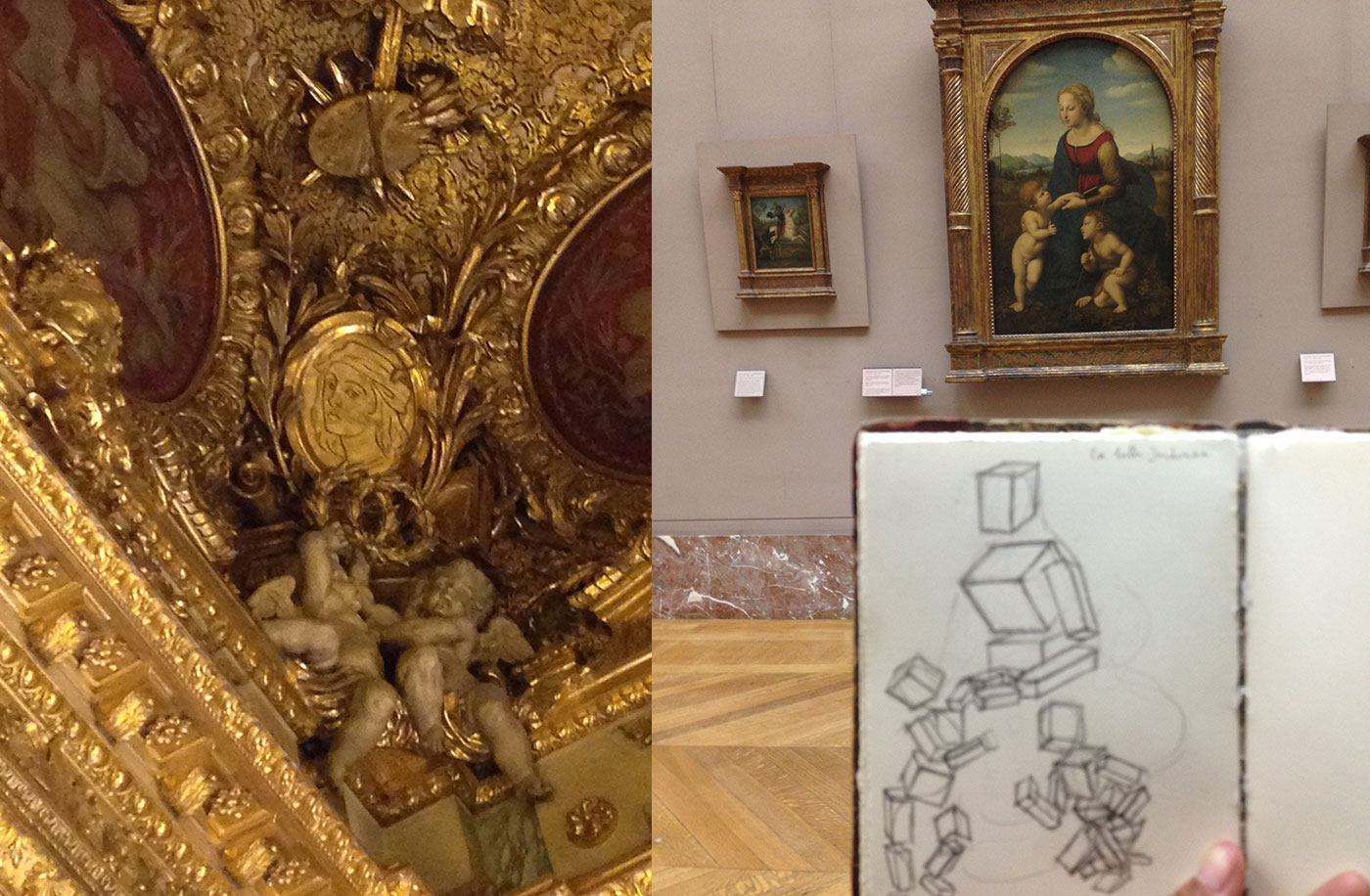
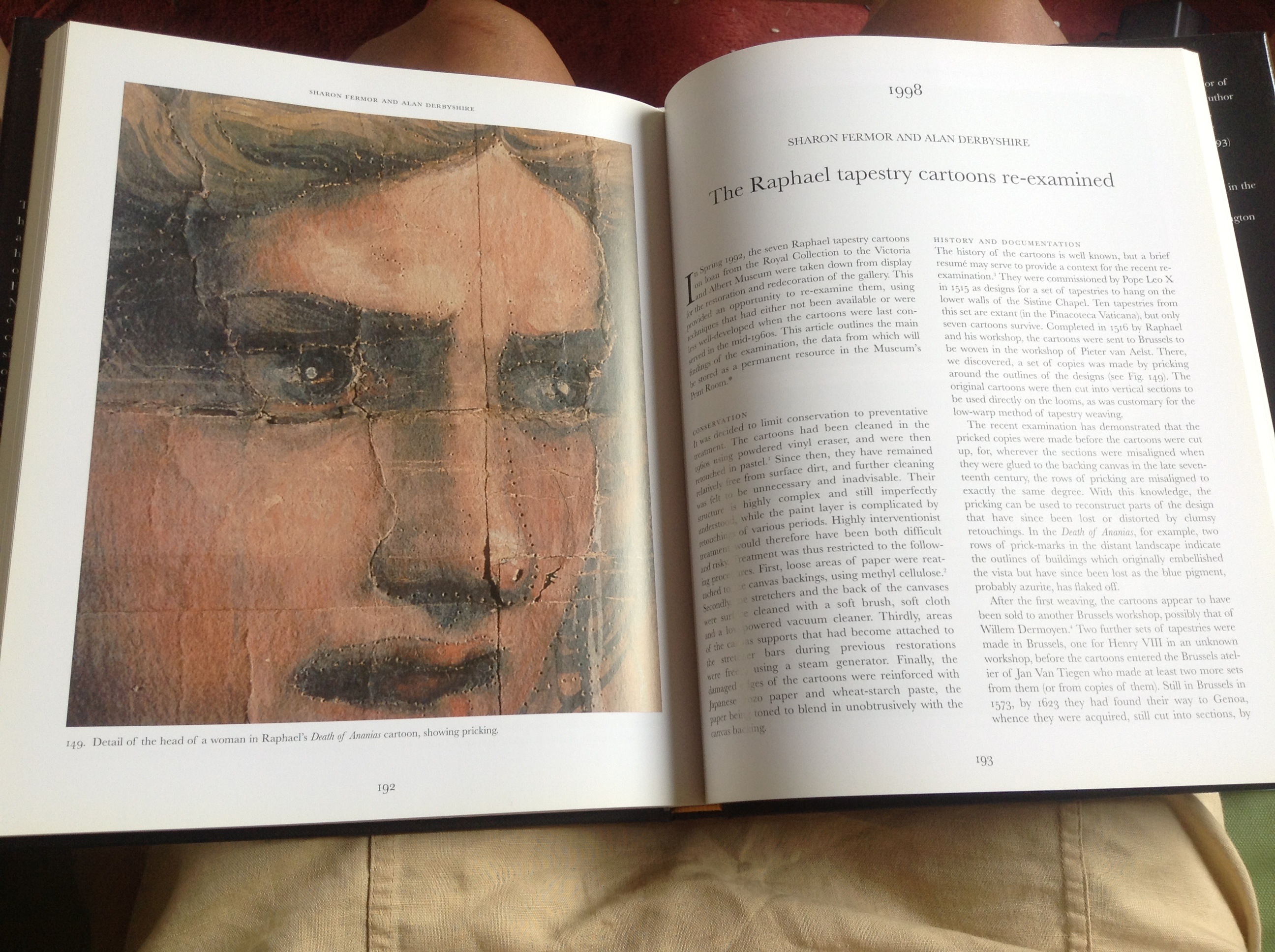
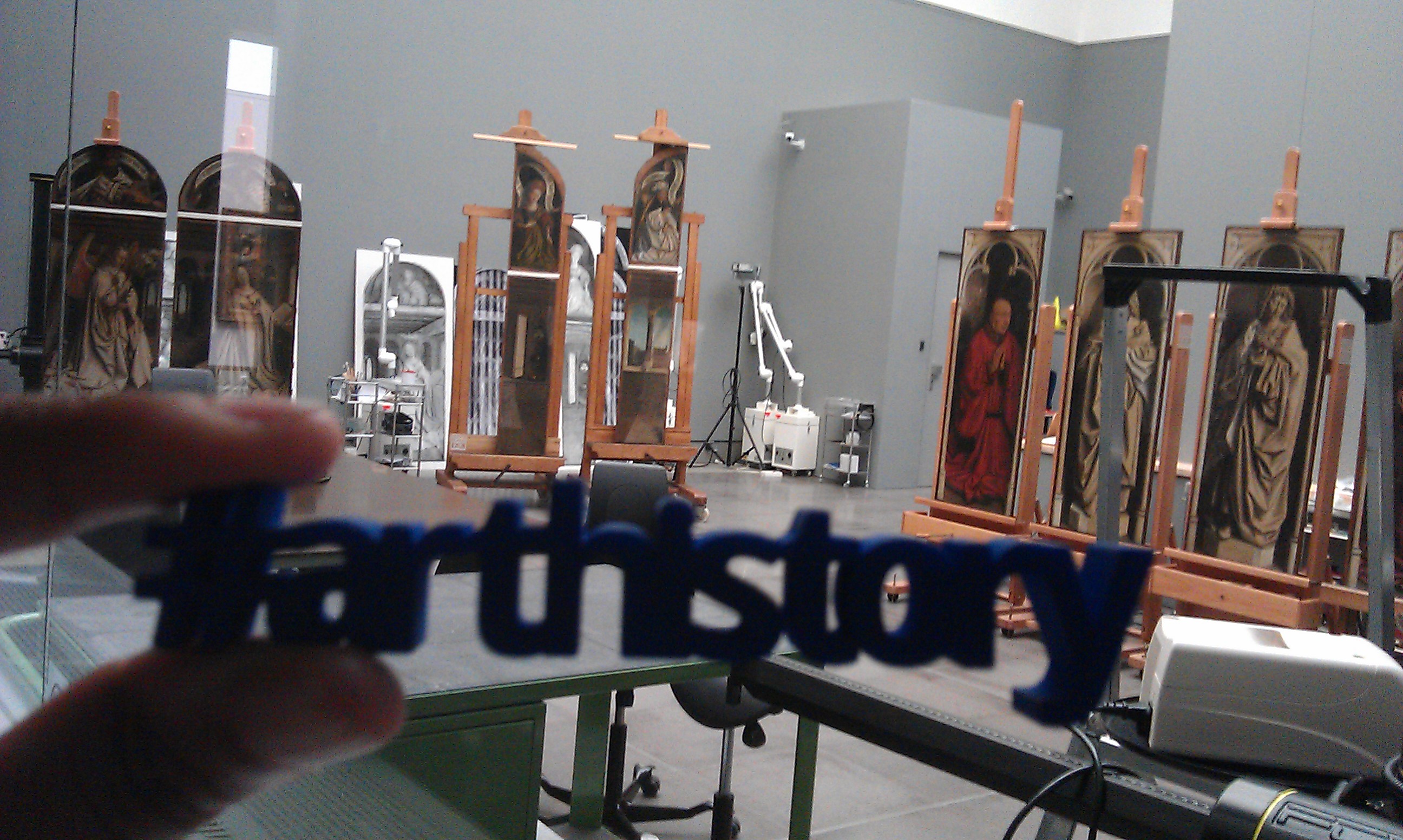
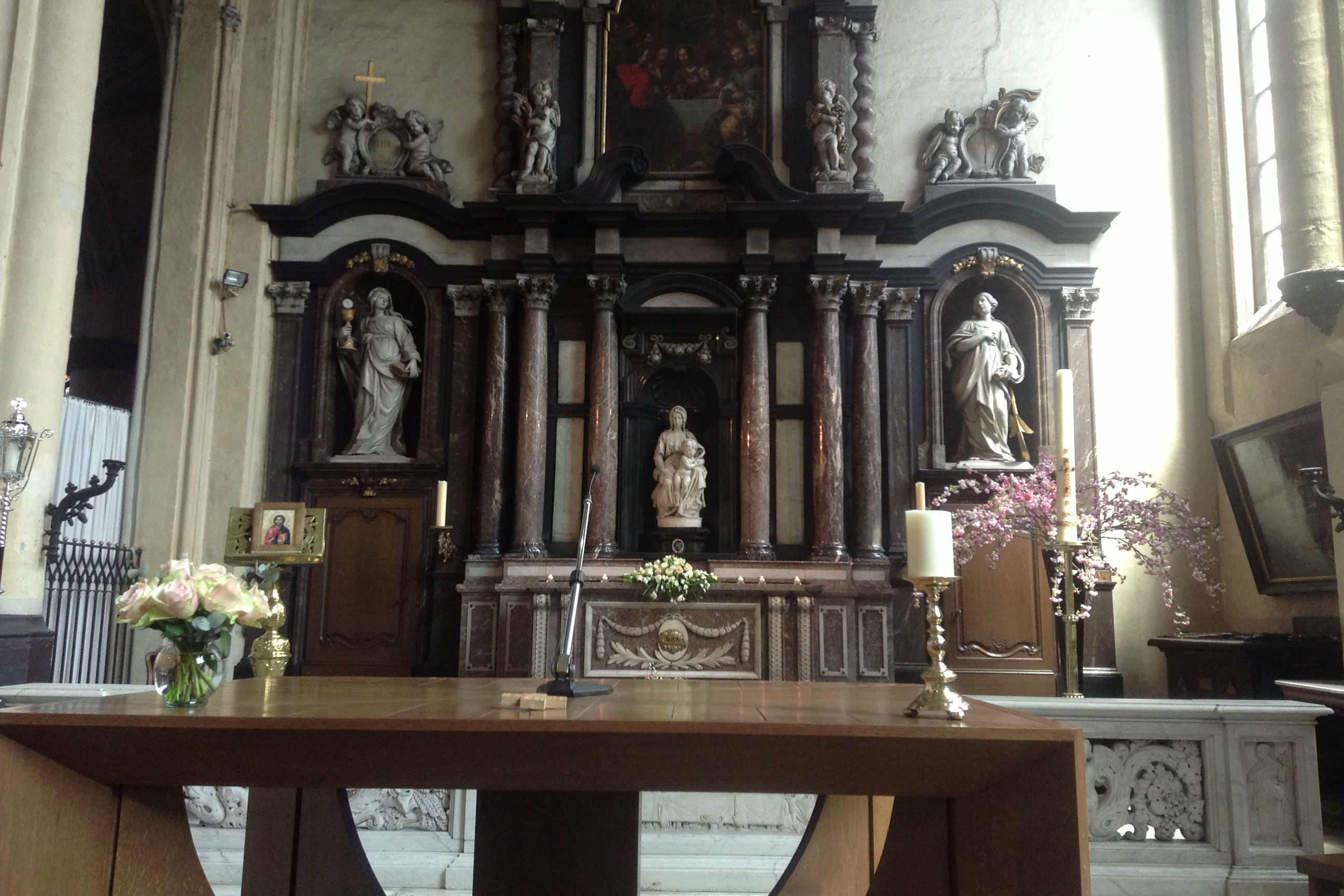
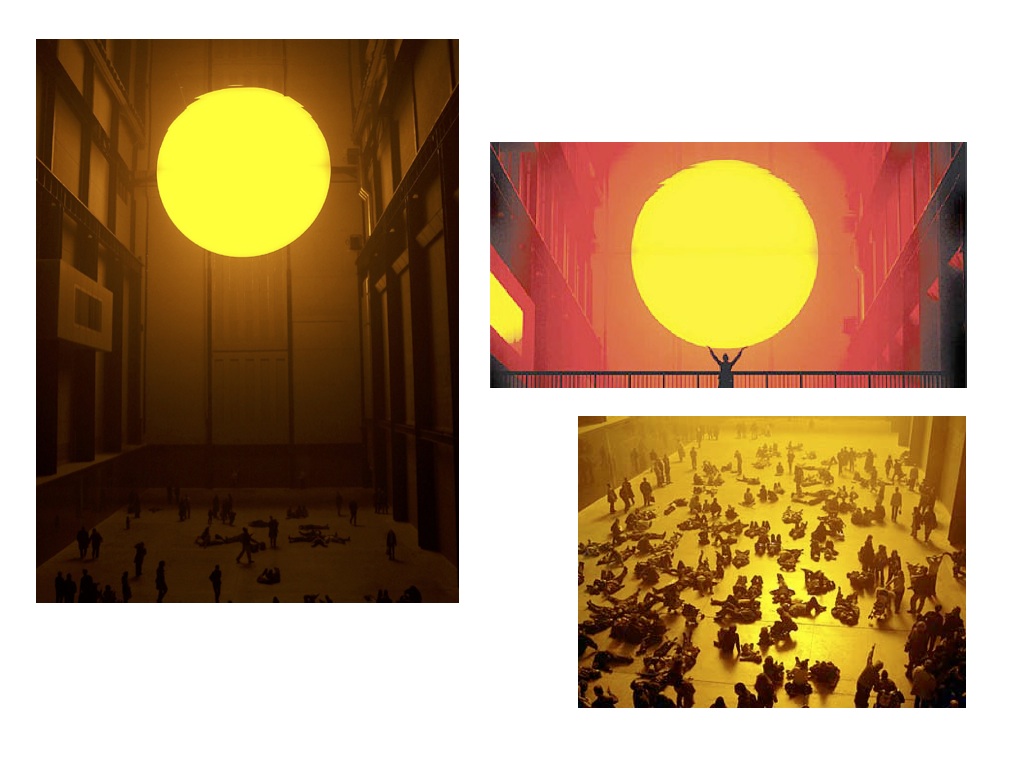
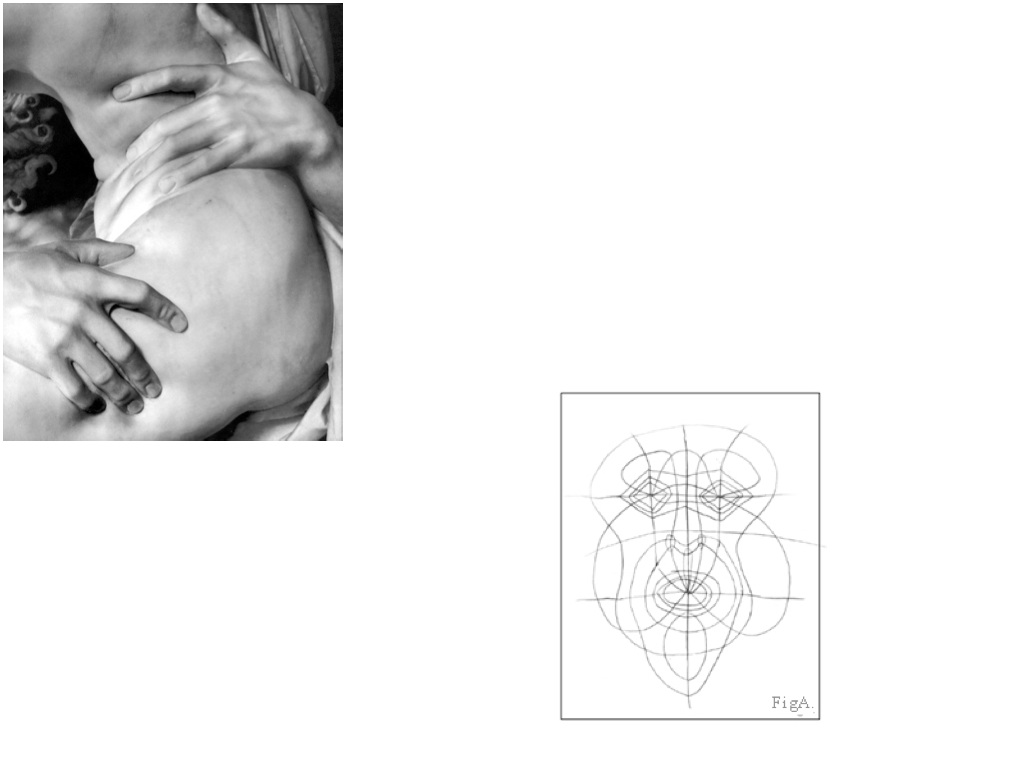
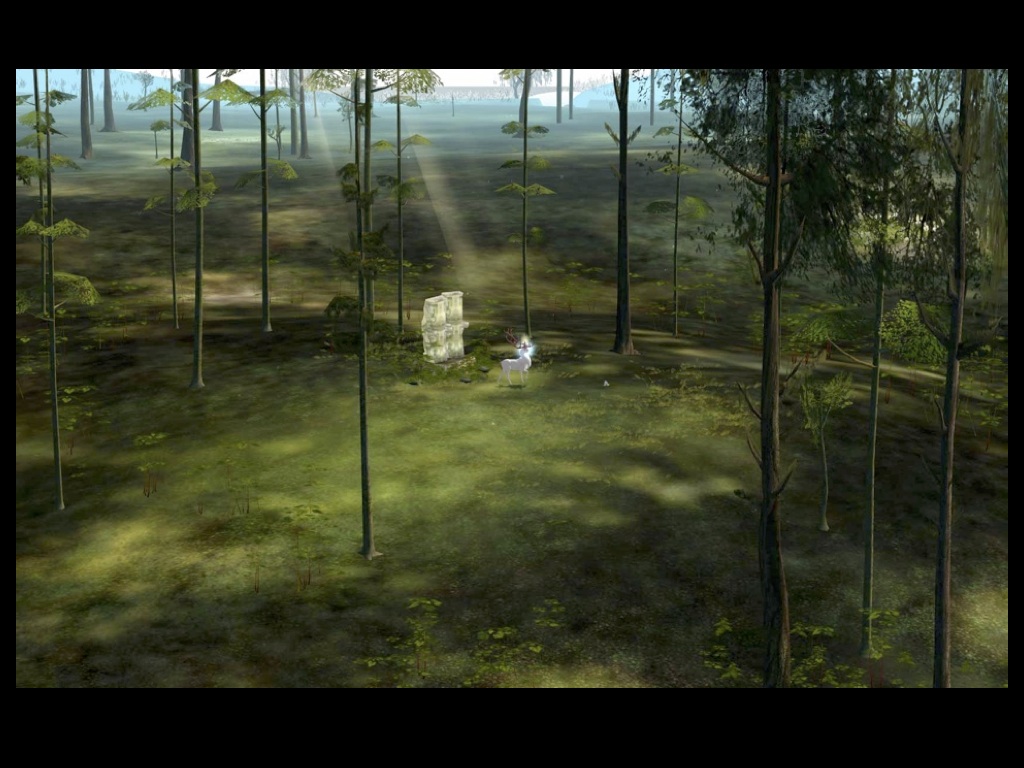
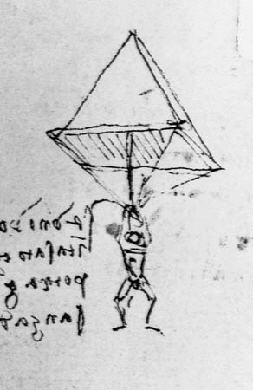
Here, a selection of everyday images shared (click to see them larger):
Interpretations
I have this feeling that videogames makers everywhere have lost a friend and advocate they never knew they had. Hasan involved himself so much with the view of videogames as an art form.
Hasan was a gamer! He saw little separation between the Renaissance workshops of Raphael or Durer and the way videogames are made today. He saw videogames as an important way to educate and intimately link young people to the treasures of the Renaissance.
His blog was host to erudite articles such as "Modes of Renaissance Color" in videogames. http://www.3pipe.net/2011/11/modes-of-renaissance-colour.html
He did great interviews with creators such as Gilles Beloeil, concept artist on the Assassin's Creed game series http://www.3pipe.net/2010/08/digital-palette-interview-with-gilles.html
And he worked to show the city of Florence how games have already linked people to it's historic sites and how that could be the key to the cities future. http://www.3pipe.net/2012/09/Florens-2012.html
On a related note, there was an essay Hasan always wanted me to write for his Why Art History http://www.3pipe.net/2012/10/why-art-history-uffizi-raphael.html series. But in case you haven't noticed, I am no writer. But, I'll give it a shot and maybe I will make it better one day...
How is a Cathedral like a Videogame?
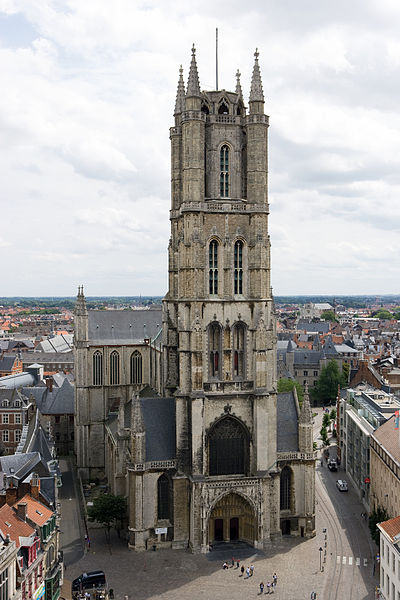
In asking this, I am not simply trying to be an infuriating guide. The historic Saint Bavo Cathedral has been instructional to me as a videogame designer. When people think of game narrative they often think of the language of cinema. But when making a videogame we often say no to such techniques, because I feel videogames are much closer to sacred architecture.
So let's examine Saint Bavo's Cathedral. Foundations from the 10th century give way to a crypt where Romanesque elements can still be seen. An interior heart expanded in the Gothic 14th and 15th century soars up to Baroque decoration which is the highlight of any tour. Walking through the space one is in natural awe of the high ceilings and especially since a gargantuan carved wood pipe organ hovers over your head on one side of the transept. Since this is still an active church there are further additions of artworks right up to the current day.
It is a beautiful building.
The viewing of a painting is time travel connecting you to all who have viewed it before. Likewise, In a religious building the decoding of symbol is not neutral but filtered through time and experience. What did it mean to those who built it. What did it mean to worship there, then. What is the improbability of my even being there to minds of those that built it. Sacred spaces are made to communicate to those who do not know and who wish to be educated. In Cathedrals one can read their lessons, written in art.
But how to get from a space where the stones stand forever to something so ephemeral as a videogame?
All through art school I was a very lazy student of architecture. The droning of the teacher failed to illuminate what made gothic different from baroque. Living in New York City the cathedrals of Europe failed to excite me with their flying buttresses. I don't believe I really understood half of what I was looking at as a young adult.
I came to live in Belgium over a decade ago. Having grown up in mid-western USA, I knew nothing of Cathedrals. There was no preparation for this type of architecture, or the physical confrontation with the artworks that fill it. It is famously home of the Altarpiece of the Mystic Lamb by Jan and Hubert Van Eyck. It contains paintings by master artists such as Peter Paul Rubens and Gaspar de Crayer, hanging nonchalantly on its stone walls where they have hung seemingly for generations.
At first I probably wasn't even curious about Saint Bavo's, it was just another place to me. I was a tremendous computer geek and really only thought of programs and data, .jpgs and gifs. The Cathedral was a nice cool place to sit in the summer. A shelter after a long walk in the winter. A place to gawk at High Catholic Mass on Christmas and Easter, uncomprehending witness to mysteries.
Fittingly, my road to comprehension started with an Annunciation. On vacation in Munich, I went with friends to the Alte Pinakoteck. This was probably the first time I really gave a thought to how Christan art tries to tell its stories. My husband explained the basic symbolism to me. Mary holds a book, the angel Gabriel comes to tell her she is pregnant, a Lily stand between them. A dove of the holy spirit swoops down from heaven.
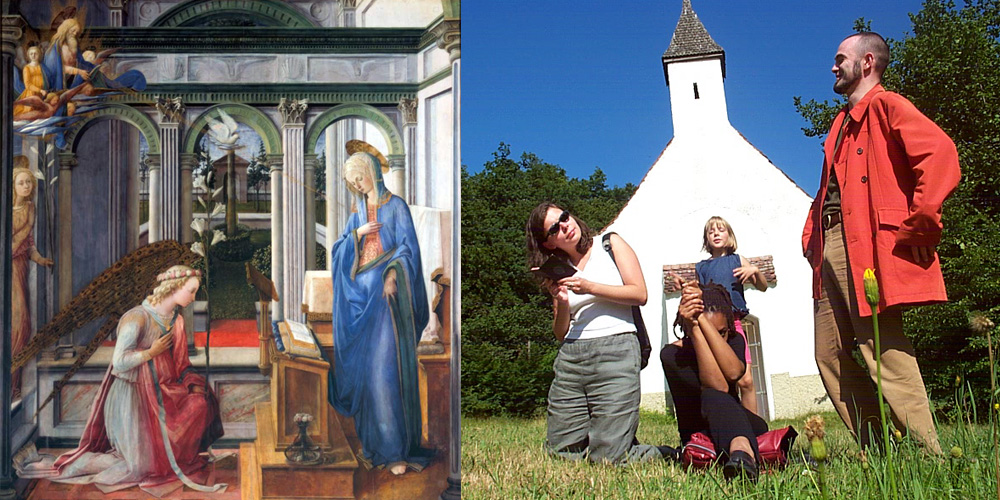
When I started making videogames in 2003 it made me look at every environment around me in new ways. So, when I went into St. Bavo and I began to wonder. What were the stories and symbols encoded in the paintings and in the very architecture around me?
It occurred to me that this environment told stories without needing to tell the story. These were stories very strong in culture which did not need to be literally retold. Each new take on the story updated it to fit into the lives and present day culture of the people it served.
This is what I take from the way Cathedrals tell stories. A way to tell stories in interactive spaces. A story that everyone knows or has at least heard of. A myth, a fairy tale, a feeling we all share. Then add something new. Instead of demanding gameplay mechanics, we allow people to experience the game world without much guidance or boundary. In the end the story that is told is the one the player tells themself. It is often up to them to retell the story through play. This is how we have come thought about narrative in the games we design. Not as linear stories but as immersive experiences.
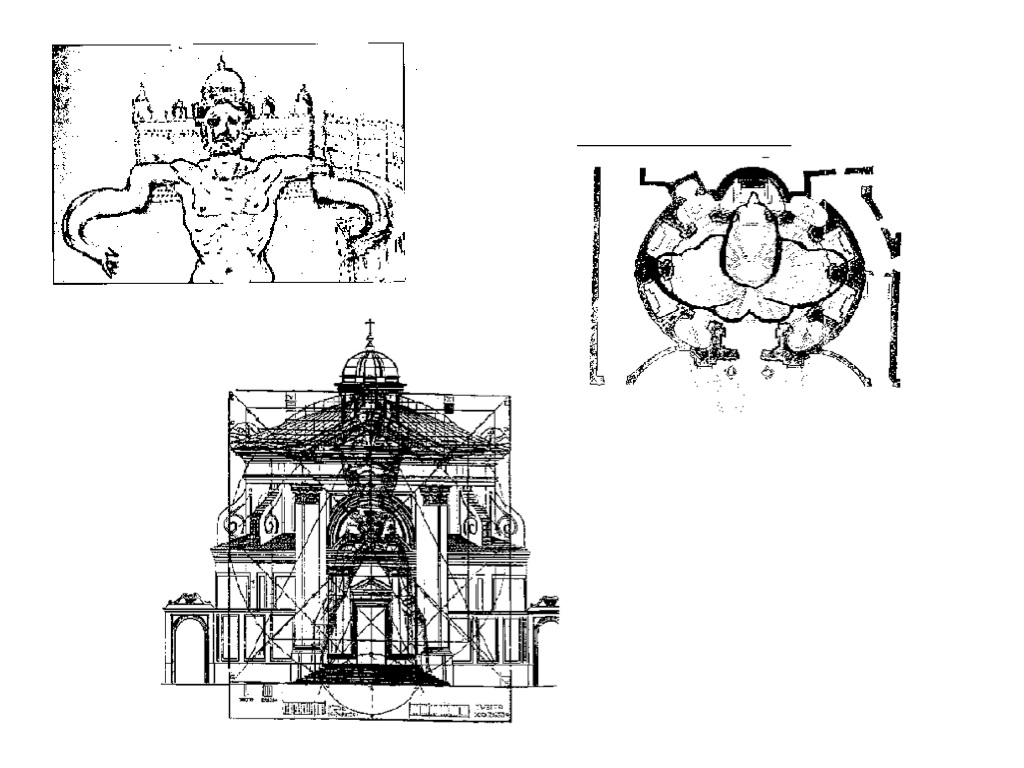
Continuum
 Also Hasan's life's work, [Open Raphael Online](http://www.openraphael.org), will live on.
Read more Hasan tributes [here](http://www.3pipe.org/2014/03/raphaelhasan.html).
Also Hasan's life's work, [Open Raphael Online](http://www.openraphael.org), will live on.
Read more Hasan tributes [here](http://www.3pipe.org/2014/03/raphaelhasan.html).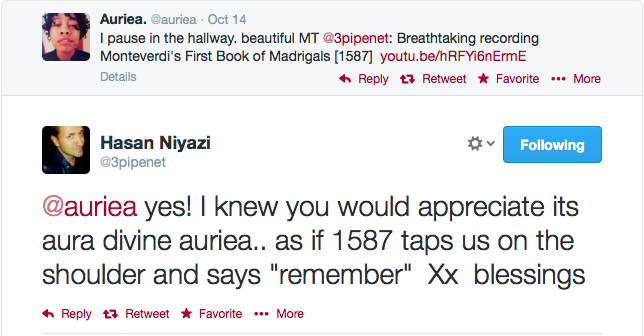
http://entropy8.com/live/GIFts/pantheonraphaelmomentofsilence.gif